
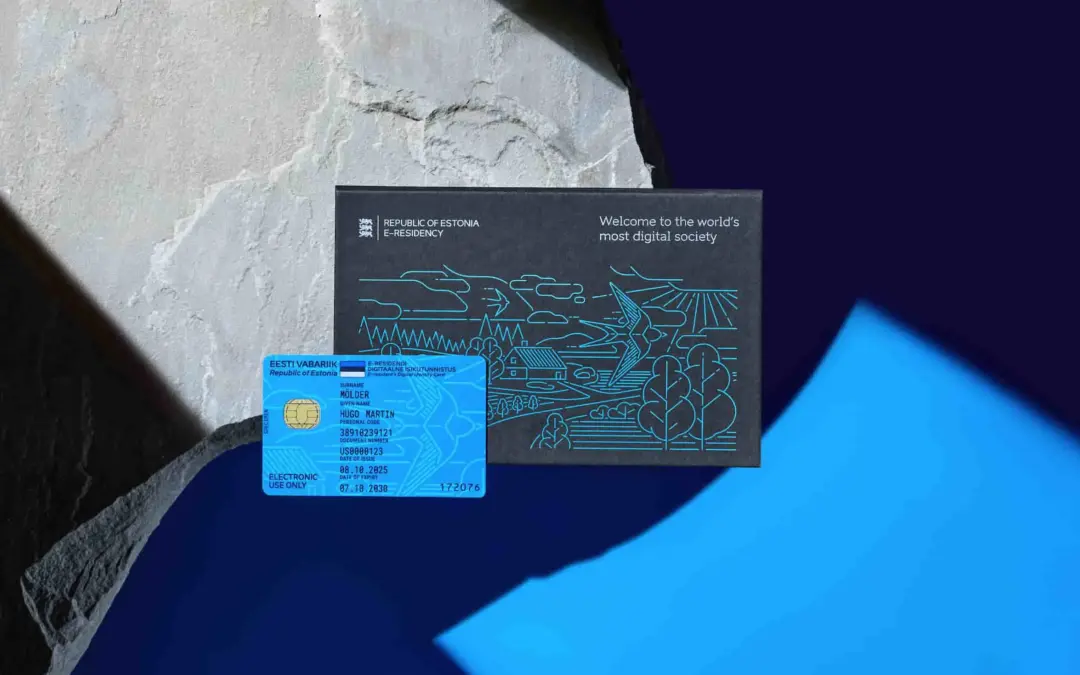
In september 2018 had ik een bedrijf in Estland geopend met mijn e-Residency card. Dat was toen een ideale oplossing voor mijn Digital Nomad ambities. Bijna alles kan online worden afgehandeld met een eID chip-kaart. Belastingaangiftes, bureaucratische handelingen en ondertekenen van documenten kon allemaal digitaal. Estland was een voorloper in Europa.
Ik moest alleen voor het openen van een bankrekening fysiek naar Estland toe gaan. Ik heb daar nog een vlog over gemaakt (zie hier boven).
En Europees BTW nummer en een bankrekening met IBAN waren vrij eenvoudig aan te vragen.
Sinds de Corona-maatregelen Crisis was ik minder actief in het bedrijf, ik factureerde steeds minder en in 2025 heb ik helemaal niet meer gefactureerd. Mijn bedrijf was in slaapmodus en het kostte mij geld om het in stand te houden.
In de loop van 2025 veranderde de regelgeving met betrekking tot BTW-nummers en je moest een minimale hoeveelheid omzet halen om het BTW nummer te kunnen behouden. Mijn BTW nummer werd ingetrokken wegens te weinig omzet.
Ik kreeg niet veel later een bericht van de Estlandse politie dat mijn eID ingetrokken zou worden omdat:
The decision was made on the following basis/bases provided for in the Identity Documents Act:
- the issue of the document does not comply with the objective specified in subsection 205 (2) of this Act (§ 206 (3) 2)).
Als ik daarna bezwaar en inzage in mijn dossier vraag krijg ik een afwijzing met de mededeling dat dit staatsgeheim is:
Similarly to the specific features of the visa procedure laid down in the Aliens Act,
all information in the e-residency procedure based on which the PBGB makes its decision is declared for internal use. Pursuant to subsection 207 (3) of the Identity Documents Act, the PBGB is under an obligation to protect the relevant information and not to disclose it either during the procedure or after the decision has entered into force.
According to clause 35 (1) 51 of the Public Information Act, the holder of information is required to classify the following as information intended for internal use: information concerning the methods and tactics utilised by an investigative body in its activities, if the disclosure of such information could hinder detection of criminal offences or facilitate committing thereof.
This position has also been agreed by the Tallinn Administrative Court, which has stated in clause 8 of its judgment 3-20-2593 of 17.03.2021 that the PBGB has an obligation to mitigate such risks associated with e-residency and to prevent the misuse of the e-residency status.
Disclosure of the PBGB’s procedural tactics also with regard to the collection of information would undermine the PBGB’s duty to ensure public order and national security. Disclosure of the tactics and methods of the e-residency procedure would threaten the protection of publicorder and weaken the state's ability to fight crime.
Therefore, the disclosure of procedural details to a party to the proceedings is not justified and the interest of the state in protecting information intended for internal use outweighs the right of the party to the proceedings to have access to the procedural documents.
Dit zijn tirannieke praktijken van de technocratische overheid en het geeft mij dezelfde vibes als bij de Toeslagen-affaire in Nederland. Daar werden meer dan 30 duizend mensen ten onrecht beschuldigd van fraude, als ze inzage in het dossier vroegen werd dat geweigerd of er werd ontlastende informatie achter gehouden tijdens rechtzaken.
Ik vermoed dat er onwetmatige opsporingsmethodes zijn gebruikt, of ik ben gevlagd door één of meerdere belastingdiensten/geheime diensten omdat ik een Bitcoiner ben.
Bevriende Bitcoiners die Digitale Nomade wilde worden en waar ik gesuggereerd had om ook een bedrijf te openen in Estland, werden rond dezelfde tijd ook zonder duidelijke reden het openen van een bedrijf in Estland geweigerd.
In zo een wereld kan je je hier niet verdedigen tegen (onjuiste) beschuldigingen. Ik had geen zin in eindeloze rechtzaken om achter de inhoud van mijn dossier te komen. Mijn bedrijf openhouden en al die rechtzaken voeren zou te veel geld gaan kosten.
Bedrijf nu sluiten en als het nodig is in een vriendelijkere jurisdictie een ander bedrijf openen leek mij een betere oplossing. Ik raad ook niemand meer aan om een bedrijf in Estland te openen vanwege de grote rechtsonzekerheid en in-transparantie.